


Nigella (Kalonji) — Nigella sativa
Also called “black onion seed” (misnomer) • Not related to onion
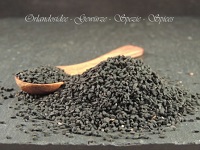
Nigella (Nigella sativa) is a delicate flowering plant native to Southwest Asia. Its small, matte-black seeds deliver a nutty, peppery aroma with faint oregano-like notes when crushed—perfect for flatbreads, pickles and tempering oil.
- Common names: nigella, kalonji, “black onion seed” (not onion), “black cumin” (not cumin)
- Botany: Nigella sativa • Family: Ranunculaceae
- Form: whole seeds (best aroma when lightly toasted)
- Flavor profile: nutty, slightly peppery, herbaceous (oregano-like), subtle bitterness
- Typical cuisines: Indian, Middle Eastern, Turkish
Aroma & Flavor
Raw seeds are mild; heat or grinding opens a deeper nutty perfume and gentle pepperiness. Unlike true onion or cumin, kalonji has its own distinctive, bread-friendly character.
Culinary Use of Nigella
Nigella is a staple in Indian cooking and features in blends like Garam Masala (Indian Curry Seasoning) and Panch Phoron. Sprinkle on naan before baking, stir into vegetable and dal dishes, or fold into chutneys and pickles. Ground nigella gives a light oregano-like lift with nutty depth.
How to Use
- Toast: dry-pan 20–30 s until fragrant; sprinkle over breads, salads or roasted veg.
- Temper (tadka): sizzle 1–2 tsp seeds briefly in hot oil/ghee, then add aromatics or pour over cooked lentils/veg.
- Breads: press onto naan or flatbreads before baking; combine with sesame for extra crunch.
- Pickles & chutneys: add whole seeds to hot brine or grind lightly for pastes.
Dosage & Tips
- Flatbreads/naan: ~1 tsp seeds per loaf (surface topping).
- Curries/dals: 1/2–1 tsp tempered seeds per 1 l (4 cups) base.
- Pickles: 1 tsp seeds per 1 l (4 cups) brine.
- Grind just before use for stronger herbaceous notes; over-toasting can turn bitter.
Pairings
Great with cumin, fennel, mustard seed, coriander seed, sesame, chili, garlic, citrus peel and leafy herbs. Complements cabbage, potato, eggplant, lentils and tomato.
Ingredients & Allergens
Ingredients: Nigella seeds (Nigella sativa).
Allergens: none mandatory in EN labeling for this single ingredient.
Storage & Shelf Life
Store airtight, cool, dry and away from light. Whole seeds keep 18–24 months; toast or grind shortly before use for peak aroma.
Substitutes & Notes
No exact substitute. For a similar effect on breads and salads, try sesame + a pinch of black pepper and dried oregano. Do not confuse with black cumin (Bunium persicum) or onion seeds.
FAQ
Is nigella the same as black cumin or onion seed?
No. Those names are common but incorrect; nigella is its own species (N. sativa).
Do I have to toast nigella?
Not required, but a brief toast intensifies nuttiness. Avoid browning to prevent bitterness.
Can I grind nigella?
Yes—grind just before use for chutneys and spice blends; whole seeds add pleasant crunch to breads and pickles.
Merchant contact: Orlandosidee — Spice Shop (see site imprint for full company details). Email: info(at)orlandosidee.de