


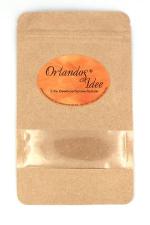
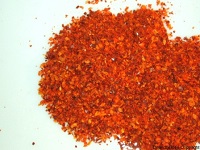
Piment d’Espelette — Basque Pepper
Origin: French Basque Country
Piment d’Espelette is a fragrant red pepper from the Basque Country, named after the village of Espelette. Made from sun-ripened peppers that are gently dried and ground, it brings vivid color, fruitiness and a graceful, warming heat to everyday cooking.
- Botany: Capsicum annuum
- Form: crushed flakes or fine powder
- Heat: mild–medium warmth; more aromatic than fiery
- Profile: fruity, sweet-peppery, lightly smoky-sunny notes, clean finish
- Best for: sauces, eggs, seafood, poultry, vegetables and rubs
Aroma & Flavor
Rounded, fruity sweetness with gentle warmth and a hint of dried-tomato richness. Unlike sharp chili flakes, Piment d’Espelette seasons with finesse and color rather than searing heat.
Culinary Uses
- Everyday finishing: dust over omelettes, fried eggs, grilled fish or roasted vegetables.
- Basque accents: fold into aioli, mayonnaise, tomato sauces and vinaigrettes.
- Dry rubs: blend with garlic powder, paprika and thyme for chicken or pork.
- Seafood: whisk into butter or olive oil for prawns, mussels and white fish.
How to Use (and Avoid Bitterness)
- Bloom gently: stir into warm oil or butter off the heat or on low for 10–20 s to release aroma.
- Add liquid soon after blooming (stock, tomato, water) to prevent scorching.
- Finish: sprinkle a pinch at the end for fresh color and perfume.
Dosage & Tips
- Soups/sauces: 1–2 tsp per 1 l (4 cups) base.
- Rubs/marinades: 1–2 tsp per 250 g (9 oz) meat or veg.
- Finishing: 1/4–1/2 tsp per portion; adjust to taste.
Pairings
Excellent with garlic, onion, olive oil, tomato, lemon, thyme, oregano, parsley, paprika, black pepper and mild smoked notes. Complements eggs, potatoes, poultry, tuna, cod, prawns and grilled vegetables.
Ingredients & Allergens
Ingredients: Piment d’Espelette pepper (Capsicum annuum).
Allergens: none mandatory in EN labeling for this single ingredient.
Storage & Shelf Life
Store airtight, cool, dry and away from light to protect color and aroma. Best within 12–18 months.
Substitutes & Notes
Closest swaps: Aleppo pepper (slightly tangier) or a mix of sweet paprika with a pinch of mild chili flakes. Start small and adjust—no perfect substitute for the Basque original.
FAQ
Is Piment d’Espelette very hot?
No—expect gentle, balanced warmth with fruity depth rather than strong heat.
Flakes or powder?
Flakes add texture and a slow release; powder disperses instantly and colors more uniformly.
When should I add it?
Bloom briefly in fat, then add liquid—or finish at the end for a fresh, aromatic lift.
Merchant contact: Orlandosidee — Spice Shop (see site imprint for full company details). Email: info(at)orlandosidee.de