


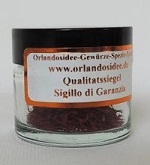
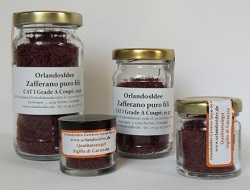
Saffron (Crocus sativus) — 1A Coupé
ISO 3632 color strength: 230 (Category I)
Saffron is the hand-harvested stigma of the autumn-blooming Crocus sativus (family Iridaceae). Each flower bears three crimson stigmas; it takes tens of thousands of blossoms to produce a single kilogram of dried threads. The result is a spice prized for luminous golden color, a delicate, honey-hay aroma and a subtle, elegant bitterness that enriches both savory and sweet dishes.
- Common name: Saffron (threads)
- Botany: Crocus sativus • Family: Iridaceae
- Form: whole threads (stigmas), occasionally ground
- Profile: floral, honeyed, hay-like; gentle, refined bitterness; intense color
- Quality note: 1A/Coupé grade; ISO 3632 color (E440) ≈ 230 → Category I
Origin & Cultivation
Originating in West–Central Asia, saffron is now also grown around the Mediterranean. Quality depends on terroir and careful drying/handling. C. sativus is triploid and propagated manually by dividing corms; the bloom window lasts only about two weeks each year.
Quality Standards (ISO 3632)
ISO 3632 classifies saffron by three indicators measured spectrophotometrically: color strength (crocin, at 440 nm), bitterness (picrocrocin) and aroma (safranal).
- Category I (1A/Coupé): color > 190 — premium color extraction and fine aroma.
- Category II: 150–190 • Category III: 110–150 • Category IV: 80–110.
This lot: color ≈ 230 (Cat. I). High picrocrocin and adequate safranal underpin a clean, balanced taste.
How to Use Saffron
- Bloom/infuse first: crumble a pinch of threads and soak in 2–3 tbsp warm water, stock, milk or wine for 10–20 min. Add the liquid and threads to your dish.
- Grind for quick release: crush threads in a mortar just before use; avoid long pre-grinding to preserve aroma.
- Add early to liquids (risotto, paella, stews) to distribute color evenly; for desserts, infuse in warm milk/cream, then strain if a perfectly smooth texture is desired.
Dosage & Kitchen Ratios
- Everyday cooking: ~10–15 threads (≈ 0.05–0.1 g) for 4 portions.
- Risotto/paella/broths: 0.1 g per 500–750 g rice or 1 l stock.
- Desserts (custards, ice cream): 0.05–0.1 g per 500 ml dairy.
- Too much turns dishes bitter—measure sparingly.
Classic Uses & Pairings
Signature in saffron rice, risotto, paella, bouillabaisse-style soups, seafood, poultry, and in sweets such as custards, ice creams and saffron syrups. Pairs beautifully with onion, garlic, fennel, citrus, honey, shellfish, white fish, poultry, almond and warm spices like cardamom or cinnamon (used lightly).
Ingredients & Allergens
Ingredients: Saffron threads (Crocus sativus).
Allergens: none mandatory in EN labeling for this single ingredient.
Storage & Shelf Life
Keep threads airtight, cool, dry and away from light (opaque container preferred). Best aroma and color within 12–24 months. Whole threads keep better than pre-ground.
Authenticity Tips
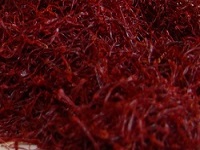
- Visual: genuine threads are trumpet-shaped stigmas, tapered with a flared, slightly split tip; lengths ~2–3 cm; deep red with natural color variation (no uniform dye).
- Labeling: look for ISO 3632 category and batch information.
- Avoid “home tests” myths: simple baking-soda or water tests are unreliable; buy from reputable sources.
FAQ
Threads vs. powder?
Threads keep aroma longer and are harder to adulterate; powder is convenient but should be freshly ground from threads.
Why is my dish bitter?
Over-dosing or prolonged high-heat toasting. Infuse gently and measure precisely.
Can I add saffron directly?
You can, but pre-infusion gives better color and more even flavor.
Merchant contact: Orlandosidee — Spice Shop (see site imprint for full company details). Email: info(at)orlandosidee.de